What I Read This Week
I spent a pretty ridiculous amount of my professional basketball career figuring things out as I went along. When I landed in a new country, I figured it out, and when nobody around me spoke English, I figured that out too. When my paycheck showed up late, or didn’t show up at all, I figured it out, and when I got hurt and had to sit in a team doctor’s office nodding along to a diagnosis I only half understood, well, good luck with that one.
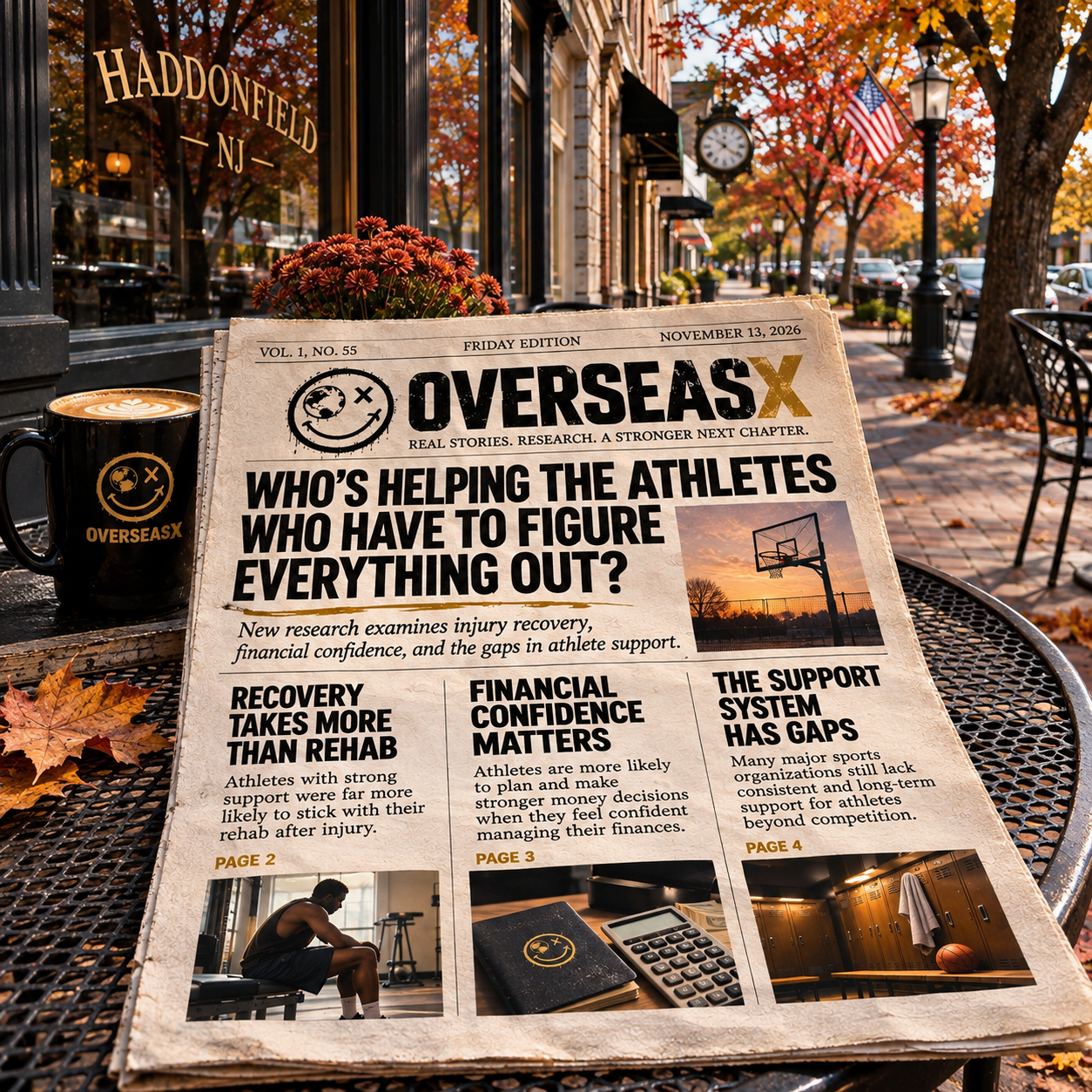
I think we almost celebrate that in professional sports. We admire the athlete who can handle whatever gets thrown at him without becoming somebody else’s problem, and this week I read three studies that made me think about how much we expect athletes to carry on their own, and whether the support we offer them makes their lives any easier.
The first study, published in October, followed 142 competitive athletes recovering from injuries and looked at their athletic identity, the support they had around them, and how consistently they stuck to their rehabilitation programs. Athletes with a strong athletic identity and a lot of support followed their rehab 84.2% of the time, while athletes with an equally strong identity and very little support came in at 58.6%, which is a pretty significant gap. The researchers also found that emotional support was more strongly tied to daily adherence than practical help was. That doesn’t prove that checking in on somebody magically fixes their knee, but it did make me think about how we treat injured players. When you’re playing overseas, an injury can affect your paycheck, your contract, your apartment, and whether you’ll even be in that country next month, and somewhere in the middle of all that stress, you’re supposed to be doing your rehab exercises every day.
The second study surveyed 252 athletes in India about how they plan their finances. Their attitudes toward financial planning and their confidence in managing money were linked to stronger intentions to plan, while pressure from family, coaches, and peers had relatively little influence. I found that interesting, because we spend a lot of time telling young athletes to save their checks, invest, and plan for retirement, which is great advice right up until you try to follow it while getting paid in another currency by a team that owes you two months of salary, as you try to decide whether you can afford to walk away from a bad situation. My takeaway is that financial education should spend a lot more time letting athletes practice making those decisions, since confidence seems to come from doing it.
The third study looked at 17 major European sports organizations and the career support they provide their athletes. The researchers found that the help was often fragmented, temporary, and inconsistent, and many of these organizations had no formal framework for delivering it at all. These were major organizations with money and staff, so I can only imagine what that support looks like for somebody playing in a smaller league halfway around the world.
None of these studies discovered that athletes need help, since I think we figured that out a while ago. What connected all three for me was the gap between having resources available and having a system that makes those resources useful to the person who needs them. I’ve been thinking about that a lot with OverseasX. We can bring in attorneys, financial professionals, medical specialists, and former players who understand the business, but I keep asking myself what happens after an athlete reaches out. Does somebody follow up? Can the athlete understand the advice well enough to use it? And when their situation changes three weeks later, is anybody still paying attention?
The studies involved different populations, and none of them claims to have found one perfect solution. They did remind me that handing somebody information is the easy part, and walking with them through the situation is where most of the work happens. I’ve been the player sitting alone in an apartment overseas trying to figure out what the hell comes next, and I’d like the next generation to spend a lot less time doing that.
With OverseasX, you’ll never have to walk this journey alone.
Studies I Read This Week
1. Athletic Identity, Social Support and Injury Rehabilitation
October 18, 2026
https://doi.org/10.1080/02640414.2026.2750618
2. Financial Fitness: Behavioral Drivers of Money Management Among Athletes in India
June 14, 2026
https://doi.org/10.1002/cfp2.70039
3. Sustainability of Athlete Mental Health and Career Retirement Support Services
April 1, 2026
https://doi.org/10.3389/fspor.2026.1722556