𝙊𝙪𝙧 𝙉𝙖𝙢𝙚𝙨 𝙏𝙝𝙚𝙞𝙧 𝘽𝙚𝙩𝙨
Betting is not new…this whole betting mindset in sport didn’t just show up with FanDual and the 87 other betting apps…It started with some broke college students on scholarship. They had food, a bed and classes covered. But there wasn't anything extra. Not for gas, or for a date, or for the flight home when the holiday season begins. Before NIL, we couldn’t make a single dime off our name. If we did…er’d lose everything. That changed on July 1, 2021, when the NCAA finally opened the door for athletes to earn on their name, image, and likeness. Took forever, but it happened.
On most campuses, you didn’t have to look too hard…gambling was right there. NARP’s running around yelling about lines, or that rando kid with a notebook always keeping track. As athletes we heard about betting…but nobody was throwing money on our small school.
Most of us didn’t touch it. We were just broke athletes counting meals and stretching a twenty as far as we could. And, when you’re starving for gas money and someone whispers there’s an easy way to make cash if you don’t get caught…your brain does the math. Temptation lived in the hallway. Meanwhile the school packed the gym, sold our jerseys, and cashed TV checks with our faces on the screen. We smiled for the cameras and played the role of a poor pawn in a billionaire’s game.
That temptation doesn’t stop there…it follows you to pre-draft workouts, then summer league, then G League. You get used to the language before you ever touch an NBA floor. So when you finally walk into the big arena and the lower third is flashing odds…it doesn’t feel new, it’s just way more in your face.
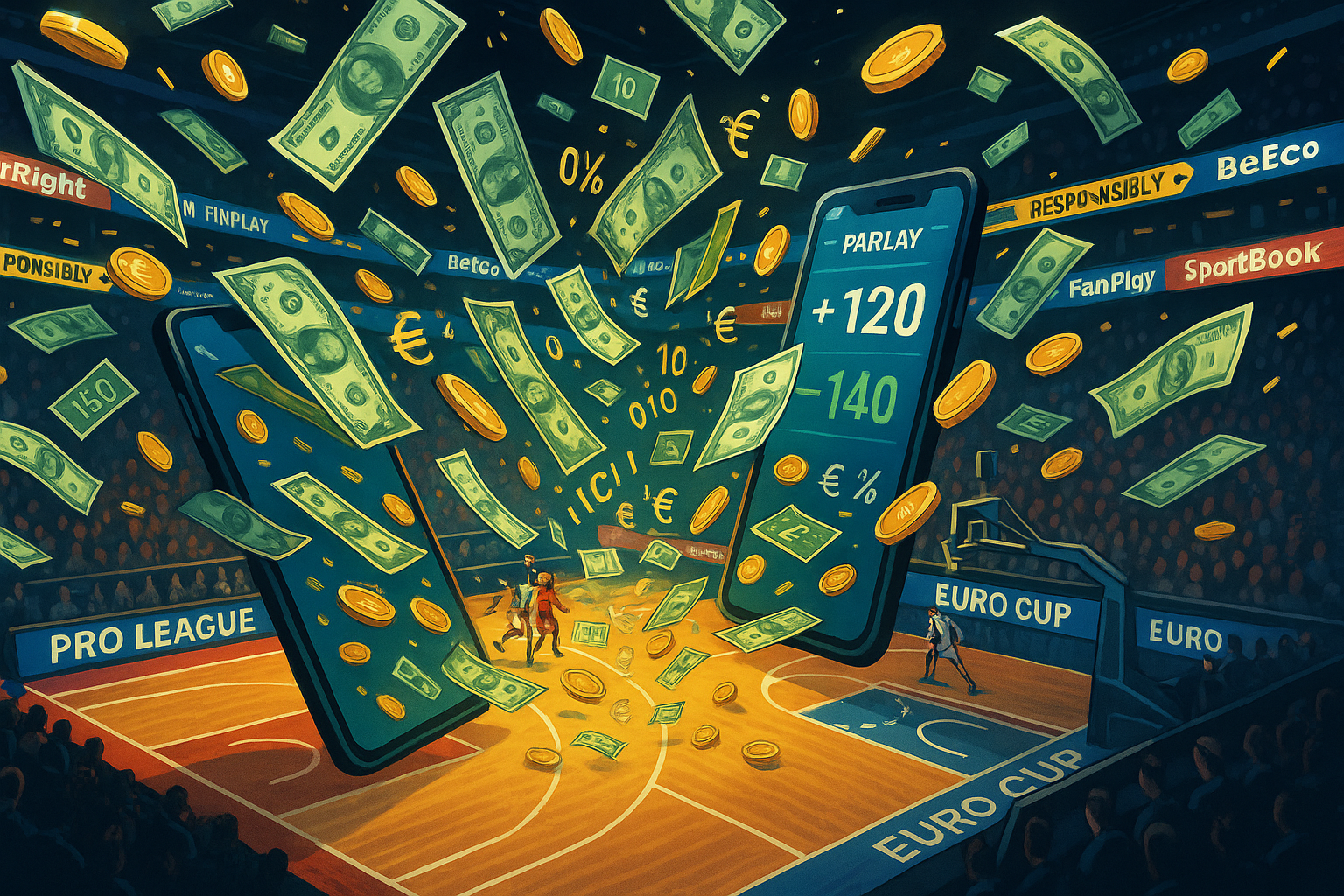
You make it to the league. You walk into an arena and it feels like Vegas on a Tuesday. The NBA signed official gaming partners. FanDuel. DraftKings. Then a long tail of “authorized operators” like BetMGM, ESPN Bet, Fanatics Sportsbook and more. So players look up and say…this feels familiar. In college we carried the show and didn’t see the cash. Now the league and the books are printing money…where’s our cut?
Which brings up some fact checking, starting with: Do NBA players get a revenue share from gambling sites?
Short answer…not directly. You do not get a direct revenue share check from DraftKings or FanDuel. That is not how it’s structured. What you do get is an indirect share because gambling dollars that flow to the league and teams as sponsorships and partnerships roll into Basketball Related Income, or BRI, and players split BRI roughly 50/50 through the cap system. ESPN spelled this out when legal betting took off, and the CBA framework backs it up. So, no direct rev share from a sportsbook’s profits. Yes to an indirect share when those deals are counted as league or team sponsorship revenue inside BRI.
Another layer, the 2023 CBA relaxed the rules so active players can endorse or invest in betting companies under tight guidelines. Caps on ownership if the company takes NBA bets. Endorsements only in a general sense or for non-NBA wagering. This is all new ground and it comes with the weirdness of being the face on the floor while the commercial break sells bets on your total rebounds.
And the bright red line is still bright. You cannot bet on NBA games. Period! The Jontay Porter case was the NBA’s Pete Rose. The league went nuclear to protect integrity and they had to. Once fans think the numbers are rigged, the game’s soul is gone.
So why does it feel off to players if money technically flows into BRI?
Because indirect isn’t the same as agency. The ads are in your face and the props are on your stat line. Fans used to yell about fantasy points. Now they scream about a parlay by the second quarter. You feel that heat. You carry the risk mentally, or even physically when someone’s mad about a missed hook shot that killed their stupid bet. Meanwhile, the financial upside shows up months later, as a small add-on to their check.
It also feels off because the whole culture flipped so quickly. The court got wired into a casino and the people inside the game are still catching up. The league wants the ad dollars and the engagement, while also wanting devout integrity. That’s a slippery fucking slope. One bad story can torch trust. We’ve already seen headlines..
If you played college ball before NIL, this is even harder. We remember counting dining hall swipes. We remember teammates doing side hustles that made us nervous. When NIL arrived, it finally matched the value to the person wearing the jersey. In the pros, the betting boom matched value to the platform…not to the person. That’s the fucking problem.
So where do we go from here you ask? Here are a few grounded points.
First, clarity over vibes please. The more transparent the CBA is about which gambling dollars count toward BRI, the fewer conspiracy theorists arise in the locker room. The framework already says sponsorships count. Put plain-English examples in front of players so they see how that DraftKings money becomes cap room and salary.
Second, mental health support cannot be an afterthought. The constant betting bullshit changes how fans talk to you. It changes how they talk about you. You can be the hero at 8 p.m. and the villain at 10 because of a half rebound. That pressure is annoying. Teams and the union should keep resourcing education, counseling, and security around gambling-related threats.
Third. keep educating the next wave. College kids with NIL money are living in a different world than we did. They also live in a country where betting is legal in a lot of states. That mix can turn combustible, especially after graduation. Clear rules. Clear boundaries. Stories from pros who have been burned. That will save careers.
Europe is not asleep at the wheel. EuroLeague signed a two-year integrity deal in 2024 with Sportradar to monitor betting patterns across EuroLeague, EuroCup, and the Next Generation Tournament using their UFDS system, plus in-person education and an online training platform for players, refs, and staff.
FIBA has its own integrity framework with clear language on competition manipulation, reporting channels and educational components baked in. They are not throwing up a poster in the locker room, they are instead implementing policy.
Zoom out and the data folks say the needle is moving a bit in the right direction. Sportradar’s 2024 integrity report flagged fewer suspicious matches this past year, while also crediting operator data sharing as a bigger part of catching issues early. That does not mean the problem is gone, it means the tripwires are catching more of what they should.
National federations are tightening screws too. Basketball Australia’s gambling and match-fixing policy is a good example with straight bans on betting by participants, disclosure agreements, education and sanctions.
And when something explodes, they move fast. Case in point… the EuroLeague referee's arrest in Serbia. Uroš Nikolić was taken into custody in a wider organized-crime operation, with reports of €250,000 in cash found at his apartment. EuroLeague suspended him pending the investigation. Authorities have linked the probe to a criminal group known as the “Vračarci.” As of today, public reporting has not alleged that EuroLeague games were fixed, but the optics are brutal and the suspension was immediate.
Bottom line… overseas clubs and leagues are building real integrity plumbing… monitoring feeds, education, and clear red lines… and they have shown they will sideline people when alarms go off. It is not perfect… but it is not the Wild West either.
If you want the simple takeaway, here it is.
Players do not receive a direct revenue share from gambling operators. Players do receive an indirect share when gambling-related sponsorship money flows into BRI, which raises the cap, which raises salaries.
We grew up in a different system that taught us how to lift, understand film, and handle press conferences, but never taught how gambling works, what the risks are, or where the money goes. We just had the Pete Rose “BANNED” Sports Illustrated cover to remind us not to bet. Goodfellas had a great teaching opportunity, but Scorsese focused his energy on the Lufthansa heist instead.
Now the ads are everywhere and our names have become props. The pressure landed on our shoulders while the payout disappeared into pooled revenue we never see directly. That is why this is hard. We’re asked to carry the spotlight without the education, support, or control that should come with it.
We play the game, not the odds. Give every player proper education on gambling and integrity, while being transparent on the money trail from sportsbook deals to BRI and into salaries. Write the rules in plain English with consistent penalties and put player reps in the room when partnerships are negotiated and publish what counts toward BRI each year. Finally, build a response plan for threats and harassment with help and mental health support, while extending the same training to college programs and staff and holding leagues, teams, and operators to the same standard. Do that and we keep the game honest while giving players a voice, actual protection and a fair stake in what our names help sell.